About Robotilius
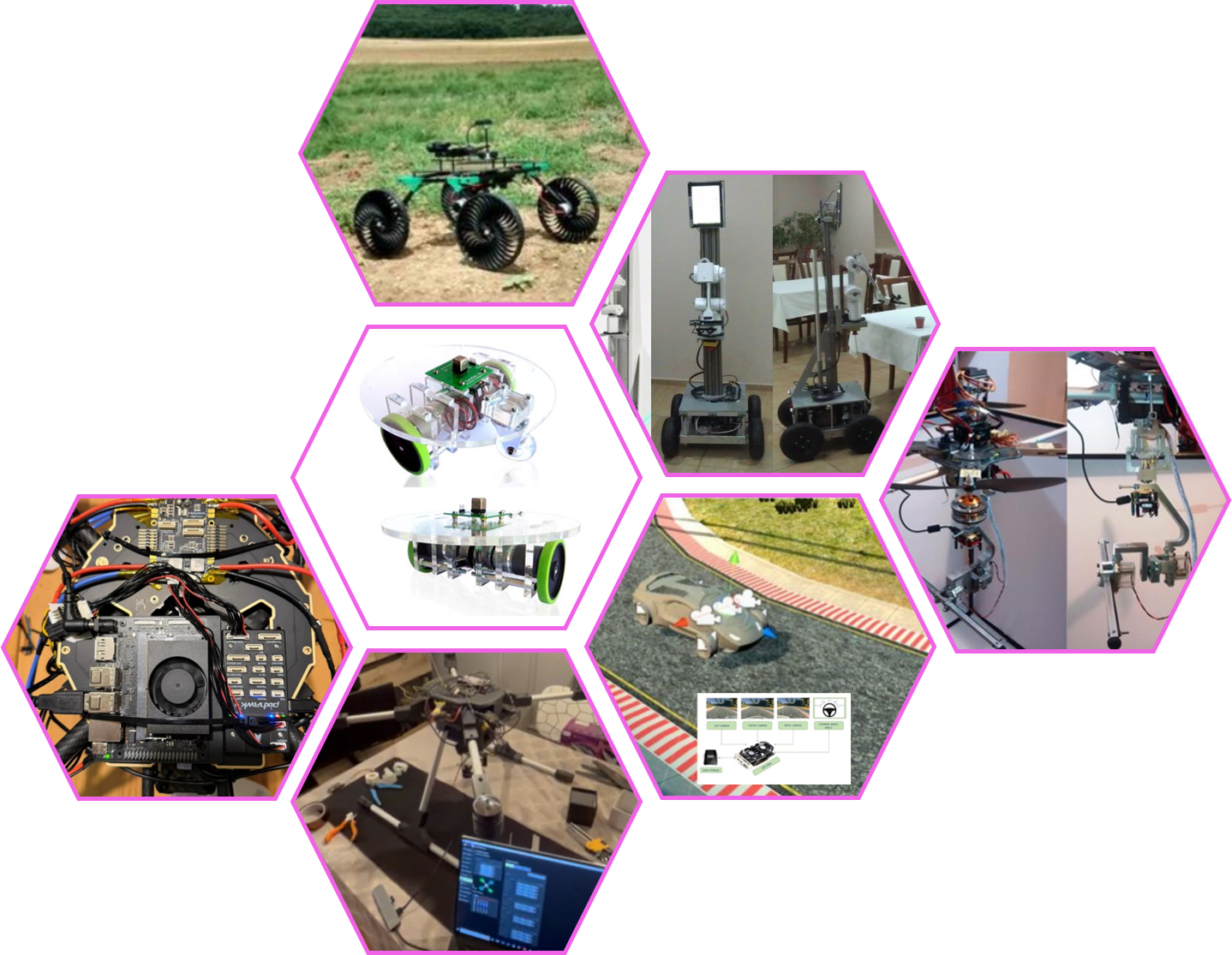
Robotilius represents more than fifteen years of evolution. What began as curiosity about robotics has grown into a long journey of learning,
experimentation, and discovery. Our early years focused on the mechanical design of robotic systems exploring structural materials,
rapid prototyping, and advanced manufacturing techniques. Over time, an important realization emerged: a robot could be a remarkable
piece of engineering, but without perception, reasoning, and adaptability, its true potential remained limited. This realization marked
the transition to the “thinking” side of robotics, exploring how machines sense, process information, and operate within complex, real-world environments.
Ultimately, this work raised a deeper question: what truly defines meaningful functionality in intelligent systems?
The answer formed the modern vision of Robotilius: to architect human–robot symbiotic systems. Our goal is to investigate how robotic systems
can extend human capability through enhanced perception, contextual awareness, intelligent interaction, and adaptive assistance.
Rather than replacing human involvement, we focus on building systems that collaborate with people, augment decision-making,
and operate as integrated extensions of human intent. Today, Robotilius Lab serves as the foundation for this continuous, long-term exploration.
 Robotilius